
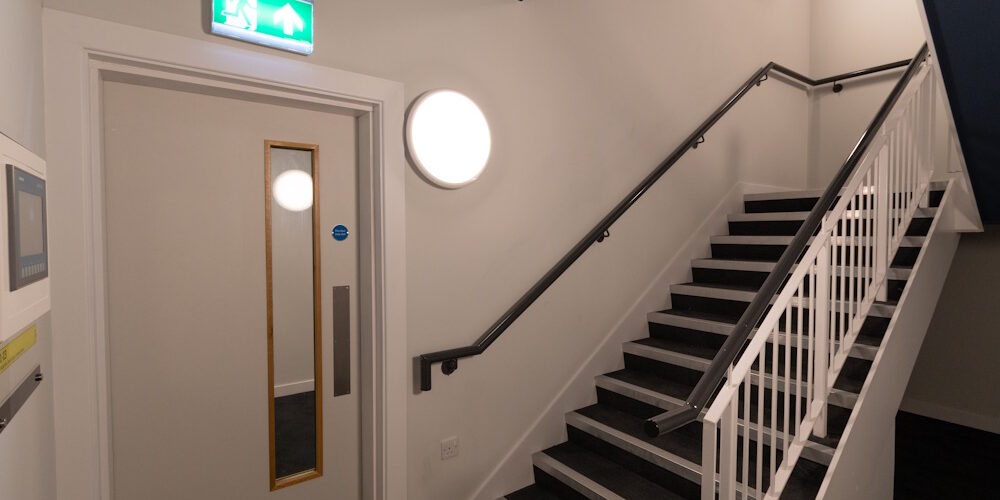
A Fire Door only works if it closes properly, seals properly and has not been damaged since the day it was fitted. That is why inspections matter as much as installation. If you manage a block of Flats, an Office, a Shop or a Care Home or Healthcare Property anywhere across Southampton, Hampshire and beyond, here is how often your Fire Doors should be checked, what the law says, and what an inspection by VIP Carpentry & Building Services actually looks at. The Short Answer…
- Communal Fire Doors in Blocks of Flats Over 11Metres: At least every 3 months (a legal requirement in England).
- Flat Entrance Doors in Those Buildings: At least every 12 months, on a “best endeavours” basis.
- Offices, Shops, Warehouses, Schools and Other Commercial Buildings: Industry guidance recommends at least every 6 months, and more often for busy doors.
- Brand New Buildings: More frequent checks in the first year, while doors settle and people get used to the building.
What The Law Says About Fire Door Inspections
There are two main pieces of law to know about…
The Regulatory Reform (Fire Safety) Order 2005 applies to almost every non-domestic building in England, plus the common parts of Flats and HMOs. It makes the “Responsible Person” (usually the owner, landlord, employer or managing agent) keep Fire Safety Measures, including Fire Doors, in efficient working order and good repair. It does not set a fixed inspection timetable, so the frequency comes from your Fire Risk Assessment and recognised guidance.
The Fire Safety (England) Regulations 2022 added specific duties for residential buildings. Since 23 January 2023, Responsible Persons for multi-occupied residential buildings with storeys over 11 metres must check all communal Fire Doors every quarter, and use their best endeavours to check flat entrance doors every year. Buildings under 11 metres still need Fire Doors kept in working order, and residents must be given information about why fire doors matter.
One point that often gets missed: The government’s guidance says you do not have to replace an older Fire Door just because it does not meet today’s building regulations, provided it is still in full working order from a fire safety point of view. The aim of checks is to make sure the door still performs as it should.
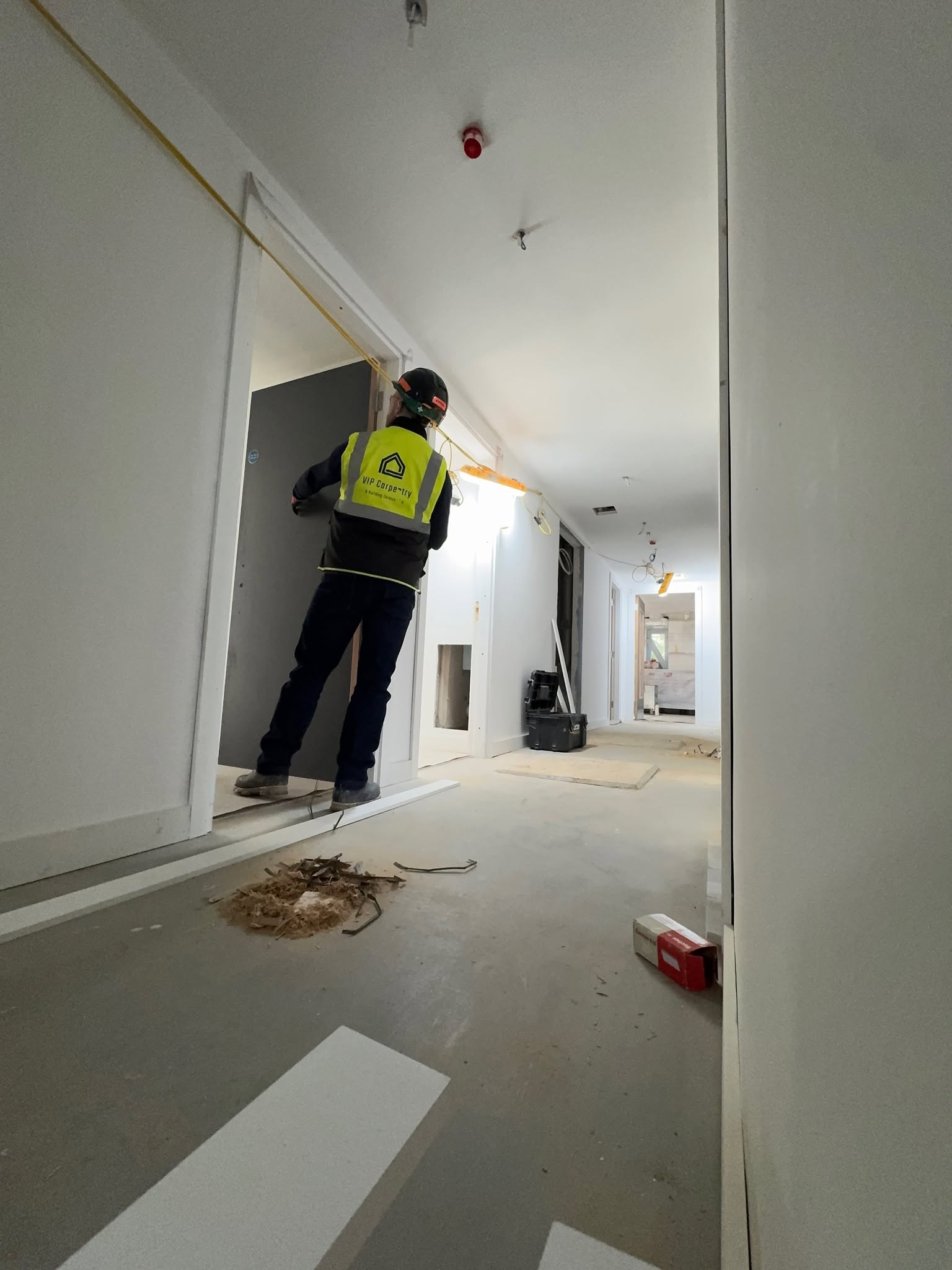
What About Commercial Buildings?
For Offices, Retail Units, Warehouses, Gyms, Restaurants and similar premises, the widely followed recommendation from the British Woodworking Federation’s Fire Door Alliance is an inspection at least every six months.
Doors that see heavy traffic, such as Stairwell Doors, Kitchen Doors and Corridor Doors next to loading bays, can need checking monthly or even weekly. The revised British Standard for fire doors, BS 8214:2026, was published in March 2026 and replaced the 2016 version.
It now covers Fire Doors made from all materials, including timber, steel, aluminium and composite, and puts more weight on keeping evidence that doors have been installed and maintained correctly. A British Standard is a code of practice rather than law, but it is the benchmark an enforcing authority or insurer will compare your building against.
Who Can Carry Out a Fire Door Inspection?
Routine visual checks can be done by a member of staff or a caretaker who knows what to look for. A full inspection is different. It should be carried out by a competent person who understands fire door certification, ironmongery and the tested specification of the door, and who can tell you whether a defect can be repaired or the door set needs replacing.
What Does a Fire Door Inspection Check?
A thorough inspection looks at the whole doorset, not just the door leaf:
- Certification: Is there a label or plug on the door edge showing it is a certified fire door?
- Gaps: The gaps around the top and sides should be consistently under 4mm when the door is closed. A £1 coin is about 3mm thick, which gives a rough feel.
- Seals: Intumescent strips and smoke seals should be present, intact and not painted over.
- Hinges: At least three, firmly fixed, with no missing or loose screws.
- Self-Closer: The door should close fully onto its latch from any open position, without sticking on the floor or frame.
- Glazing and Signage: Fire-Rated glass with the correct beading, and the right “Fire Door Keep Shut” Signs.
- Damage and Alterations: Holes, splits, extra locks, cat flaps or letterboxes that were not part of the tested design.
What Happens If a Fire Door Fails?
Failing an inspection does not always mean a new door. Many problems, such as worn seals, a faulty closer, loose hinges or gaps that have opened up, can be fixed with remedial work using compatible, certified components. Where a door leaf is badly damaged or has been altered beyond its tested design, replacing the full door set is usually the safer and more cost-effective option. The key is to act quickly and keep a record. A written log of inspections and repairs is your evidence that you are meeting your duty as a Responsible Person.
Fire Door Inspections in Southampton & The South Coast
VIP Carpentry & Building Services is a Southampton-based carpentry contractor working on commercial and residential projects across Hampshire and the South Coast. Our team installs, repairs and maintains Fire Doors for landlords, managing agents, contractors and business owners, with CHAS-accredited health and safety and fully carded tradespeople. If you are not sure when your Fire Doors were last checked, or you have a door that no longer closes properly, get in touch for a no-obligation chat.
Call 07592 681930 or Email office@vipcarpentry.co.uk. You can also read more about our fire door installation and maintenance service.
