
Enhancing buildings through stylish and functional external facades
External facades act as the face of a structure, creating the first impression and setting the tone for the overall aesthetic experience. It serves as a protective shield, guarding the interior spaces from the elements while also contributing to energy efficiency and sustainability.
From historic landmarks to modern skyscrapers, external facades have evolved over the centuries, embracing diverse materials, technologies, and design philosophies to transform buildings into captivating works of art.

Appropriate accreditations
Staff accreditations are essential because they ensure that the staff members have the necessary skills and knowledge
Committed and dedicated team
Our team work together, take individual responsibility, put in extra effort, and sacrifice personal time to meet deadlines
Monitoring and estimating
Systems for estimating such as ERP are important tools in our trade as they help us plan and execute projects
We get the job right first time
By planning and preparing as much as possible, we know we're going to get the job done right the first time
Good work ethics and values
All of our staff work to strict guidelines governing their approach to work including punctuality and commitment
One stop shop
By employing staff from a range of various trades, we're able to simplify the buying process
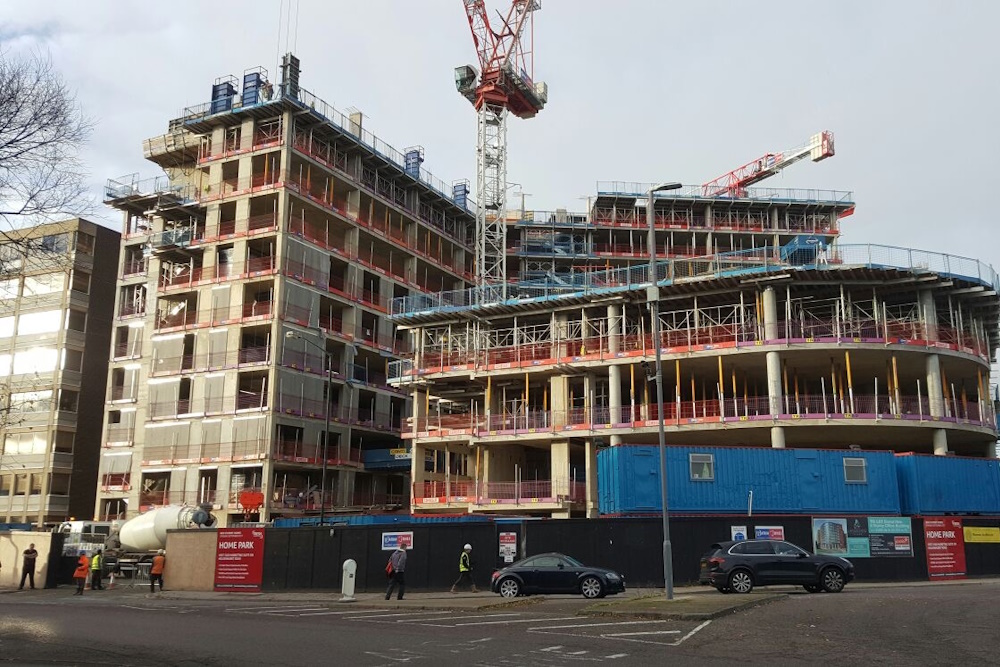
One of the fundamental purposes of an external facade is to establish a harmonious connection between a building and its surroundings. Architects meticulously consider the context, climate, and cultural aspects to design facades that blend seamlessly with their environment. For example, a heritage building may feature a facade adorned with intricate stonework or ornate carvings, paying homage to its historical significance. In contrast, a contemporary structure might embrace sleek glass panels, steel frames, and clean lines to convey a sense of modernity and innovation.
Materials play a crucial role in defining the character of an external facade. Throughout history, architects have employed a wide range of materials, each possessing its own unique qualities and visual appeal. Stone, such as marble or limestone, exudes elegance and durability, while also offering a sense of timelessness. Brickwork, on the other hand, evokes a sense of warmth and craftsmanship, often associated with traditional and rustic architecture. Modern facades often feature glass, steel, and aluminium, allowing for transparency, sleekness, and lightweight construction.
Advancements in technology have revolutionized the possibilities for external facade design. With the advent of computer-aided design (CAD) and 3D modeling, architects can experiment with innovative shapes, patterns, and textures. Facades can now incorporate intricate geometries, irregular forms, and parametric designs that challenge traditional notions of construction. These cutting-edge facades not only redefine the aesthetics but also offer functional benefits such as improved natural lighting, shading, and ventilation.
Buildings are now expected to minimize energy consumption and reduce environmental impact. Facades contribute to this goal by incorporating energy-efficient features such as double-glazed windows, solar panels, and shading devices. Green facades, where plants and vegetation cover the building envelope, provide thermal insulation, reduce heat absorption, and improve air quality. By integrating sustainable strategies into external facades, architects can create buildings that are not only visually striking but also environmentally responsible.
